Best Floor Lamps for Reading: A Complete Buyer’s Guide for Cozy, Eye-Friendly Lighting
Disclosure: This post may contain affiliate links. We may earn a commission on qualifying purchases at no extra cost to you.
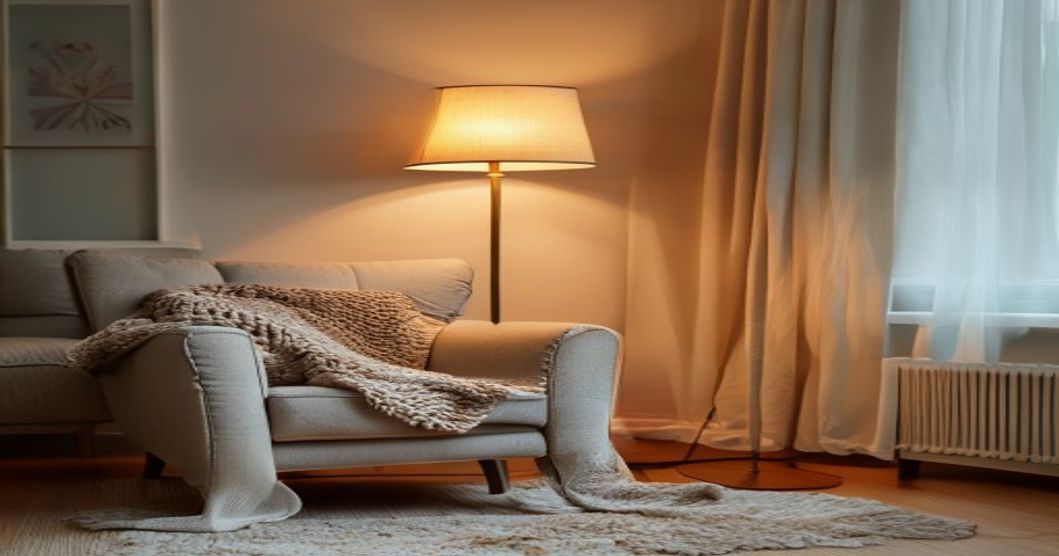
I still remember sitting in my old apartment’s living room, squinting at my book under a dim overhead light that cast the worst shadows across every page. I’d rub my eyes after thirty minutes, frustrated that reading—something I loved—had become a chore. Then a friend suggested I try a proper reading floor lamp, and honestly, it changed how I enjoy my evenings. A good floor lamp for reading isn’t just about having light; it’s about the right light, positioned thoughtfully, so you can sink into a chair and read comfortably for hours.
What Makes a Floor Lamp Suitable for Reading
Not every floor lamp will do the job when it comes to reading. Those beautiful lamps in home décor magazines look great on a shelf, but they won’t help you finish a chapter comfortably. A reading-focused floor lamp has some specific traits that separate it from ambient or decorative lighting.
Brightness and lumen output are where it all starts. Reading needs enough light that you’re not straining to see the text, but not so much that it glares in your face. Most people land somewhere between 400–800 lumens, depending on your room’s natural brightness and your eyesight. If your room is darker or you need more contrast, aim higher.
Color temperature sets the mood and affects how your eyes feel. Warm white (2700K–3000K) is the go-to for evening reading because it feels natural and won’t keep your brain buzzing before bed. Cool white (4000K and up) is harsher and works better for focused work; it keeps you alert but makes a cozy reading session feel sterile.
Light diffusion is where many basic lamps fall short. A bare bulb or thin metal shade creates hot spots and dark shadows that tire your eyes fast. A proper reading lamp has a shade made from cotton, linen, or linen blends—something that softens and spreads light evenly across your page.
Positioning and adjustability matter more than you might think. The lamp needs to shine light onto your book without blinding you or leaving shadows on the page. Arc lamps, which curve over your seating, are especially good at this. Even a stationary lamp works fine if you place it correctly (slightly behind and to the side of your chair).
Types of Floor Lamps for Reading
There are several styles of floor lamps, each with its own advantages for a reading setup.
Arc Lamps
These curve from the floor and reach out over your seating, which is why they’re so popular for reading nooks. The adjustable head lets you angle light exactly where you need it. The design naturally keeps light out of your eyes while focusing it onto your lap or book. Want maximum flexibility and a sleek look? An arc lamp is often your answer. The catch: they eat up floor space and need clearance around your chair.
Tripod and Stick Lamps
These take up less room than arc lamps and fit well in smaller spaces or tight corners. A tripod sits on three legs and tends to be more stable; a stick lamp has one pole. Both are usually adjustable or have a flexible gooseneck, so you can still direct the light where you want it. They’re lighter too, which makes rearranging furniture easier.
Tall Tower Lamps
A simple tall cylinder with a shade, positioned next to your chair. These aren’t as flexible as arc or gooseneck models, but they’re elegant, steady, and often affordable. They work best when the shade sits at or slightly above your eye level while you’re sitting down. This is the classic choice and fits most home styles.
Pharmacy or Adjustable Head Lamps
These have a swinging or pivoting arm that angles up, down, or to the side. They look industrial but work hard, and they take up less space than arc lamps. Perfect if you read in different positions or share the lamp for other household tasks.
Positioning Your Reading Lamp: The Golden Rule
Even the best lamp won’t work if it’s in the wrong spot. Here’s how to position it for comfortable reading:
- Angle from above. Light should fall on your page at roughly a 45-degree angle from directly overhead. This mimics how natural light comes through a window and feels right to your eyes.
- Avoid direct eye contact. The shade should sit so light doesn’t beam straight into your eyes. Aim for slightly behind or to the side of your chair.
- Shade height matters. When seated, the top of the shade should be around eye level or slightly higher (usually between 48–54 inches from the floor is a good starting point, but adjust to what works for you). Too low and you’ll see hot spots; too high and shadows creep back onto the page.
- Distance from the book. The lamp should be close enough that your page is clearly lit, but far enough that it doesn’t create a harsh spotlight. Try starting at roughly 18–24 inches horizontally from where you’re reading.
- Test and adjust. Once placed, sit in your chair with a book and pay attention to where shadows land and whether your eyes feel strained. Move the lamp slightly if needed—even a few inches can make all the difference.
Brightness and Bulb Selection
The bulb inside your lamp is just as important as the shade or where you put it.
Lumens, not watts: Old bulbs were rated by wattage (40W, 60W, etc.), but modern LED bulbs use lumens (how bright they actually are). For reading, look for bulbs in the 400–800 lumen range. A good starting point is a 9–10 watt LED bulb (sometimes labeled as a 60-watt incandescent equivalent). If your room is dark or you have vision challenges, try something in the 11–14 watt range (usually marketed as 75–100W equivalent). You can always dim it if it’s too bright.
Warm white color temperature: Pick 2700K–3000K. This warm tone is easier on your eyes during evening reading and creates a cozy feel. If you read during the day or need to see fine detail (like small print or color accuracy), you might prefer 3500K (neutral white), but skip anything 4000K and above for relaxing reading sessions.
CRI (Color Rendering Index): This shows how true a bulb shows colors. For reading, aim for a CRI of 80 or higher (90+ is excellent). This matters if you’re reading magazines, art books, or color-coded study notes.
Dimmable bulbs: If your lamp has a dimmer switch, make sure the bulb is compatible. Not all LED bulbs dim smoothly, so look for ones marked “dimmable” to avoid flickering.
Shade Matters: Fabric, Shape, and Light Diffusion
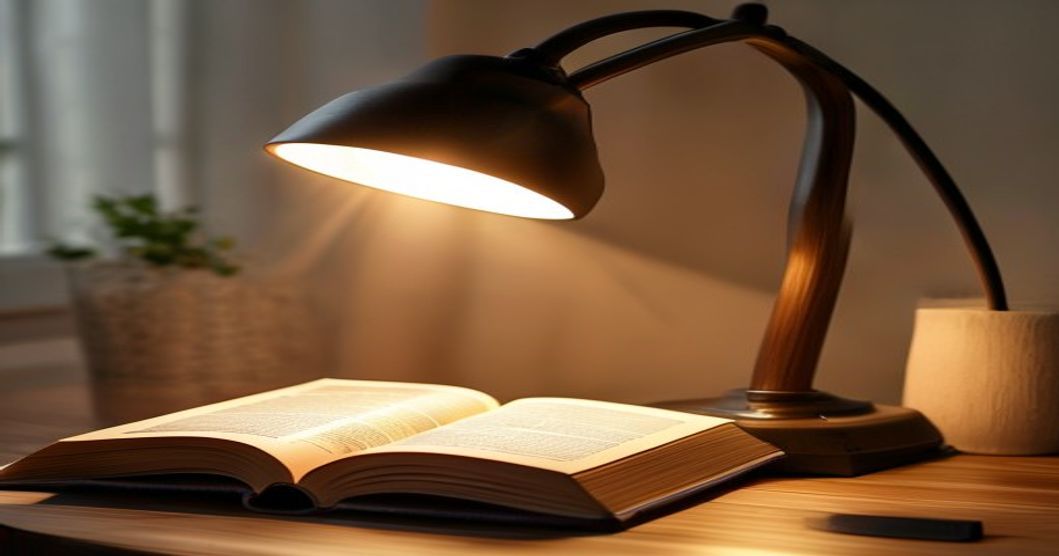
The shade gets overlooked, but it’s what turns a bare bulb into pleasant, usable light.
Fabric over metal. A shade made from cotton, linen, or linen blends diffuses light gently. Metal shades or bare-bulb designs create harsh pools of light and dark shadows. Fabric feels warmer and more inviting in a reading space.
Light interior. Look at the inside of the shade. White or cream colored lining reflects light outward, creating even brightness. Dark linings absorb light and make the lamp feel dimmer.
Shade shape. Drum (cylindrical) and bell (slightly flared) shapes spread light evenly. Narrow or tapered shades funnel light downward, which can create shadows and glare. A wider shade at the top also looks better balanced.
Opacity. The shade should be opaque enough that you don’t see the bulb glowing through, but light enough that it glows warmly when on. Try to see it in person if you can—online photos can be misleading.
Matching Your Reading Lamp to Your Space and Style
A reading lamp is both practical and decorative, so pick one that fits your room’s look and your taste.
Color and finish: Warm metals like brass, warm bronze, or natural wood suit cozy reading spaces. Cool metals like chrome or stainless steel work in modern or minimalist rooms. Fabric shades in cream, soft gray, or muted tones go with most décor. Darker shades (deep charcoal, navy) look sophisticated but can feel heavier visually—test it in your actual space.
Size and scale: A lamp that’s too tall looks off-balance; one that’s too short won’t light well or make a visual impact. Measure your seating area and picture the lamp beside it. The top of the shade should sit slightly higher than the back of your chair when you’re sitting.
Footprint: Arc lamps need more floor space but keep the area under the arch open. Tripod and stick lamps are more compact. If your reading nook is small or already crowded, a narrower design like a tripod or standard tower might be better.
Theme and mood: A mid-century modern tripod lamp, a farmhouse wood-and-linen tower, or an industrial adjustable-head design each have their own personality. Choose one that makes you smile when you look at it, since you’ll be spending hours under it.
Bonus Features and Considerations
Adjustable or flexible arms: A gooseneck or swinging arm lets you point light where you need it and adapt to different reading positions (upright, lounging, etc.). This flexibility is worth thinking about.
Stability: Make sure the base is heavy enough that the lamp won’t tip easily, especially with kids or pets in the house. Arc lamps with a wide, weighted base are typically very stable.
Cord length and switch placement: Check that the power cord reaches your outlet without running through high-traffic areas. Some lamps have handy on/off switches at the base or on the pole; others make you reach the socket. Convenience matters for everyday use.
Shade removability: A shade that comes off easily is easier to clean. Dust settles on shades and dulls their light over time.
Reading Lamp Setup: Real-World Scenarios
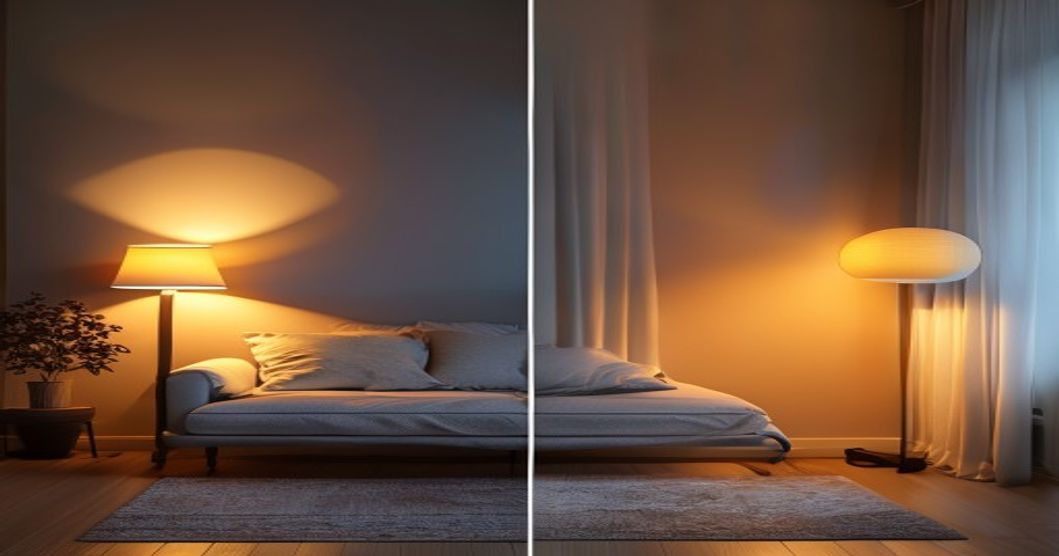
The cozy corner: You have a favorite armchair tucked in a bedroom or living room corner. An arc lamp or tall tower lamp positioned slightly behind and to the side gives you focused light without glare. Add a small side table for your book and a warm cup of tea. You’re creating a self-contained, inviting space that pulls you in.
The shared bedroom: Your partner sleeps while you read. An arc lamp with a directional head lets you angle light onto your lap without spilling it toward the bed. Or choose a lamp with a built-in dimmer so you can lower the brightness once your partner is asleep. Position it behind or to the side of your half of the bed.
The small apartment: Floor space is at a premium. A narrow tripod or stick lamp uses less room than an arc. Or consider whether a wall-mounted reading lamp might fit your layout better—this article covers floor models, but the principle of angled, warm light still applies.
The study or home office: If you read while working at a desk, pair a floor lamp with a task lamp, or choose one with an adjustable head that can cover both the desk surface and a nearby chair. Neutral white light (around 3500K) might work better here for document accuracy.
Care and Maintenance
Dust the shade regularly and wipe the bulb with a soft, dry cloth to keep your lamp working well. LED bulbs last way longer than old incandescent ones, so you probably won’t swap the bulb often. If your shade is fabric, vacuum it gently with an upholstery attachment to keep dust from building up and dimming the light.
Related Reading on Home Lighting
If you’re thinking about lighting elsewhere in your home, check out our guide on best recessed lights for low ceilings if you want to update overhead lighting without losing height, or best pendant lights for kitchen islands if you’re designing a kitchen. And if you spend time at a desk, our article on the best desk lamp for work and study covers task lighting in detail.
A good floor lamp for reading turns reading from something that strains your eyes into a cozy, sustainable ritual. Look for roughly 400–800 lumens (adjusted for your room and eyesight), warm white light (2700K–3000K), a fabric shade with a light-colored inside, and intentional placement so light hits your book at a 45-degree angle. An arc lamp gives you the most flexibility; a tower or tripod lamp works just fine if positioned correctly. Take the time to set it up so you can read without shadows or glare, and don’t underestimate how much the right shade and bulb improve the whole experience. Your future self—the one settling into your reading chair on a quiet evening—will be grateful.
As an Amazon Associate I earn from qualifying purchases.
Frequently Asked Questions
See our FAQ section at the top of this guide for answers to common questions about lumens, light color, lamp height, and glare reduction.