Best Desk Lamp for Every Work Space: Complete Buyer’s Guide & Top Picks 2025
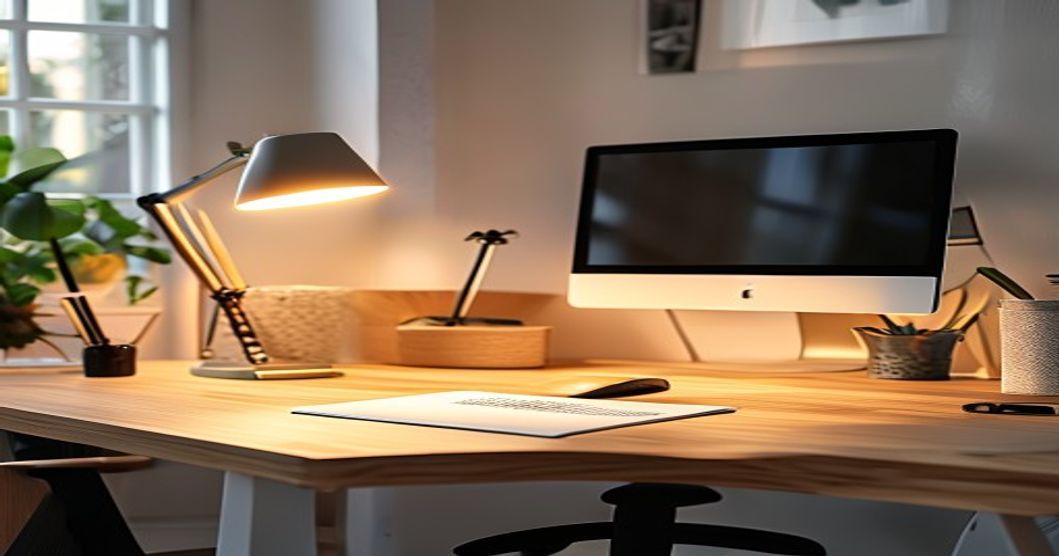
Disclosure: This post may contain affiliate links. We may earn a commission on qualifying purchases at no extra cost to you.
A good desk lamp is one of the simplest yet most impactful upgrades you can make to your home office or study space. Unlike general overhead lighting, a quality task lamp illuminates your work surface directly, reduces eye strain, and creates an environment where focus comes naturally. Whether you’re working extended hours or tackling evening study sessions, the right lighting can make a meaningful difference in comfort and productivity.
Top Picks for Every Work Style
Top Choice
For anyone serious about reducing eye fatigue, an LED lamp with certified flicker-free output and adjustable color temperature can deliver noticeable comfort improvement. These lamps often offer touch dimming, USB charging ports, and memory functions so your preferred brightness persists after power cycles.
Best Value
A clean, industrial-style lamp with a weighted base and articulated arm is perfect if you’re on a tighter budget but still want flexibility. These lamps move smoothly through various angles, fit tight desk corners, and deliver solid brightness for general office work without extra features that add cost.
Premium Upgrade
If you want a statement piece that also serves a purpose, premium desk lamps with integrated wireless charging pads, smart controls, or voice activation combine lighting with desk organization. These work best for users who have the budget and want one device to handle multiple needs on a compact desk.
Understanding Desk Lamp Specifications
When shopping for a desk lamp, don’t get lost in marketing language. Here are the specs that actually matter:
Brightness (Lumens)
Lumens measure the total light output. For desk work, aim for 400–800 lumens depending on your ambient room light and task intensity. A bright, white workspace may need less; a dim corner office may need more. Many quality desk lamps deliver in the 500–600 lumen range, which works well for most users. Look for this number on the product page, not just “60W equivalent” (which refers to old incandescent bulbs).
Color Temperature (Kelvin)
Measured in Kelvin (K), color temperature affects alertness and mood. Cool white (4000–5000K) is generally recommended for focused work because it resembles daylight and supports alertness. Warm white (2700–3000K) is cozier and suits evening use. Premium lamps let you adjust this throughout the day—cool for morning work, warm for evening wind-down.
Flicker-Free and Low Blue Light
Invisible flicker at very high frequencies (common in some low-cost LED lamps) can contribute to eye strain. Flicker-free certification indicates the lamp operates at a frequency designed to minimize this concern. Some lamps also feature reduced blue light emission, which may be helpful if you work late. These features add cost but can contribute to comfort, particularly for extended work sessions.
Base and Stability
A heavy, weighted base prevents tipping. Check that the lamp feels stable when you adjust its position, especially if you have a clutter-prone desk or share space with pets or kids. Desktop models with circular or rectangular bases tend to be more stable than narrow pedestal stands.
Positioning (Fixed vs. Articulated)
A flexible arm or tilt head lets you aim light where you need it. If your desk is small or you move between multiple work areas, an articulated lamp (with joints or a swing arm) is worth the extra cost. Fixed-head lamps are cheaper but less adaptable.
Desk Lamp Comparison Table
| Lamp Type | Best For | Key Features | Brightness Range |
|---|---|---|---|
| Adjustable LED Task Lamp | Long work sessions, eye strain relief | Flicker-free, color temp control, USB charging | 600–900 lumens |
| Swing-Arm Metal Lamp | Small desks, flexible positioning | Articulated arm, compact base, minimal design | 400–600 lumens |
| Clip-On Desk Lamp | Spaces where desk space is scarce | Clamps to desk edge, saves surface area | 300–500 lumens |
| Premium Multi-Function Lamp | Power users, home offices with multiple devices | Wireless charging, smart control, premium materials | 500–700 lumens |
| Minimalist Fixed-Head Lamp | Aesthetic-focused users, neat desks | Clean design, stable base, simple controls | 400–700 lumens |
Pros and Cons of Popular Desk Lamp Styles
- LED lamps are more energy-efficient than older incandescent options.
- Flicker-free, color-adjustable models can help reduce eye strain and headaches.
- Flexible arms let you position light exactly where you need it.
- Many modern lamps include USB ports for charging phones or earbuds.
- LED bulbs have a long lifespan, meaning minimal replacement hassle.
- Compact, elegant designs fit snugly into any decor aesthetic.
- Quality LED lamps with premium features can cost more upfront than basic models.
- Some lower-cost LED lamps may exhibit flicker or have less accurate color rendering.
- Swing-arm lamps need desk space to extend; fixed positions are more compact.
- USB charging ports only work when the lamp is on.
- Very bright lamps may cause glare if not positioned carefully.
- Control mechanisms (touch vs. button) vary; some are less intuitive than others.
How to Position Your Desk Lamp for Maximum Benefit
Even the best desk lamp won’t help if you position it wrong. Here’s how to set it up correctly:
Avoid Glare on Screens
Position the lamp to the side of your monitor, not directly behind it or in front of it. Direct light on a screen creates a glare hotspot that defeats the purpose of having task lighting.
Angle Slightly Downward
The light should fall on your desk and work surface, not shine directly at your face or eyes. A slight downward angle is ideal for reading documents or typing.
Match Ambient Lighting
If your room is already brightly lit, a 400-lumen lamp is likely sufficient. If you’re in a dim corner or work at night, you may benefit from higher brightness. Avoid creating sharp contrast between your lit desk and a dark room, which can tire your eyes.
Maintain Proper Distance
The lamp should be positioned at a reasonable distance from your work surface for optimal coverage without creating harsh shadows. Check your lamp’s specifications or test it before committing to understand its coverage area.
Who a Great Desk Lamp Is—and Isn’t—For
Perfect For:
- Anyone working multiple hours daily at a desk.
- Remote workers or freelancers with a dedicated home office.
- Students studying in the evenings or in dim rooms.
- People who experience headaches, eye strain, or fatigue during work.
- Creatives (designers, artists) who need accurate color rendering and directed light.
- Anyone with a workspace that lacks natural daylight.
May Not Be Necessary If:
- You work in a brightly lit office with excellent overhead lighting.
- You have abundant natural sunlight streaming through windows throughout the day.
- Your work requires minimal focus or reading.
- You spend minimal time at your desk.
- Your desk shares a small, multi-purpose space and you can’t dedicate a lamp to it.
Desk Lamps vs. Other Lighting Solutions
You might be wondering whether a desk lamp is necessary if you already have other lighting options. Here’s how it compares:
Overhead Ceiling Lights + Desk Lamp: The combo is effective. Ceiling lights set the overall mood and ambient brightness; your desk lamp provides focused task illumination without shadows. This is what professional workspaces typically use.
Natural Daylight: Excellent for daytime work and mood, but you can’t rely on it for evening sessions, and the angle changes throughout the day. A desk lamp gives you consistent, controllable light when you need it.
LED Strip Lights: LED strip lights are great for ambient or accent lighting in a room, but they don’t provide the focused, dimmable task lighting a desk lamp offers. Use strips to enhance mood; use a desk lamp for productivity.
Smart Bulbs in a Generic Lamp: You can retrofit a regular lamp with a smart RGB bulb, which offers color control. However, most generic lamps weren’t designed for optimal desk work lighting, and the base may be unstable. A dedicated desk lamp is generally a better investment.
Energy Efficiency and Long-Term Value
Modern LED desk lamps consume significantly less energy than older incandescent or halogen models. An LED lamp running several hours daily likely costs considerably less to operate annually than older-style lamps. LEDs also have a long lifespan, so you won’t need to replace bulbs constantly.
That upfront investment in a quality LED lamp—whether basic or premium—can offer good value through lower electricity consumption and fewer replacements. Mid-range lamps are reasonable for daily use, while premium models make sense if you’re sensitive to eye strain or want integrated features like wireless charging. Check current pricing and product availability when shopping.
For related guidance on broader home office setups, check out our complete home office desk lamp buyer’s guide and best desk lamp for work and study guide, which dive deeper into specific product recommendations and use cases.
Bottom Line
A well-chosen desk lamp transforms your workspace from uncomfortable to genuinely pleasant. Focus on flicker-free LED technology, adjustable brightness, and a stable base that fits your desk size. If you work long hours or experience eye strain, investing in a quality lamp can deliver meaningful improvements in comfort and focus. Start by browsing adjustable LED task lamps on Amazon, reading verified customer reviews, and making sure the specs—especially lumens and color temperature—match your specific work environment.
Disclosure: This post contains affiliate links to Amazon. As an Amazon Associate I earn from qualifying purchases. We recommend products based on research and genuine buyer needs, not on affiliate commission.