Best LED Strip Lights for Home Lighting & Decor: Complete 2025 Buyer’s Guide
Disclosure: This post may contain affiliate links. We may earn a commission on qualifying purchases at no extra cost to you.
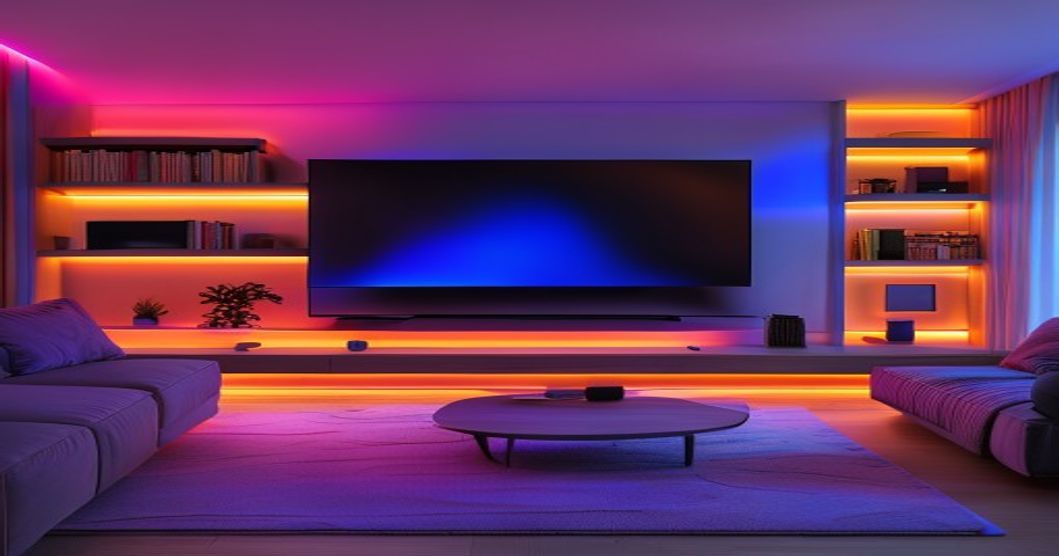
LED strip lights have transformed how we think about home lighting and decor. Unlike traditional ceiling fixtures, strips offer flexibility, energy savings, and creative design possibilities that let you personalize every corner of your space. Whether you’re looking to highlight architectural features, create ambient mood lighting, or add dramatic color effects, the right LED strips can completely elevate your interior design game.
Best Choice
Perfect for anyone wanting flexible color control, app management, and voice integration. Ideal if you enjoy scene-based lighting for different moods, entertainment, or seasonal changes.
Best Value
Budget-friendly, straightforward, and effective for creating cozy accent lighting. Best for those who want simple installation without smart features or complex setup.
Premium Pick
Great middle ground offering scheduling, brightness dimming, and color options via remote without requiring WiFi or app setup. Suits those who want convenience without smart-home complexity.
Understanding LED Strip Light Types & How They Fit Your Space
Before diving into specific products, it helps to understand the main categories of LED strips available today. Each type serves different needs, budgets, and installation scenarios.
Adhesive vs. Channel-Mounted Strips
Adhesive LED strips come with a sticky backing that bonds directly to clean surfaces—walls, shelving, or behind furniture. This approach minimizes visible hardware and offers the cleanest aesthetic. The tradeoff: once fully bonded, removing them can leave residue or damage certain finishes. They’re ideal for renters or permanent installations where you’ve already planned the placement carefully.
Channel-mounted strips use aluminum or plastic channels with clips or fasteners, making them repositionable and reusable. This method is slightly more visible but offers superior heat dissipation (important for high-brightness strips) and professional-grade durability. They’re perfect if you like to refresh your decor seasonally or aren’t certain of your final layout.
Color Options: Warm, Cool, and RGB
Warm-white strips (typically in the lower range of the color temperature spectrum around 2700K–3000K) create a cozy, inviting atmosphere ideal for living rooms, bedrooms, and dining areas. Cool-white strips (higher color temperatures, typically around 4000K–6500K) deliver bright, task-focused illumination—excellent in kitchens, home offices, and work areas. RGB (red-green-blue) strips offer the full spectrum, letting you shift from warm to cool or choose any color in between. The downside: RGB strips cost more, require a controller or smart hub, and may consume slightly more power when running colored effects.
| Strip Type | Best For | Brightness Level | Installation Ease |
|---|---|---|---|
| Adhesive Warm-White | Ambient accent lighting | Medium to High | Very Easy |
| Smart RGB WiFi | Scene control, mood lighting | Medium to High | Moderate (app setup) |
| Remote-Control RGB | Color effects without WiFi | Medium to High | Easy |
| Channel-Mounted High-Brightness | Professional display, task lighting | Very High | Moderate |
| Bias Lighting (Behind TV) | Reduce eye strain, home theater | Low to Medium | Very Easy |
Key Features to Evaluate When Choosing Your Strips
Brightness & Color Rendering
Brightness is measured in lumens per meter. Strips vary in output depending on quality and type; moderate ambient strips typically range in the hundreds of lumens per meter, while high-output task lighting strips can reach 1000+ lumens per meter or higher. When comparing color-changing options, look for models that display true, vibrant colors rather than washed-out hues. Check customer feedback and photos showing real-world color performance in different settings.
Power Supply & Energy Consumption
LED strips typically run on 12V or 24V DC power supplied by an external adapter. Higher-voltage strips (24V) allow for longer runs without brightness drop, while 12V systems are more compact but typically limited in length. Most strips consume power in the range of a few watts to around 10+ watts per meter depending on brightness and features. Calculate your total run length and verify that the power supply can handle the combined load—undersized adapters can lead to dimming or flickering at the far end.
Smart-Home Compatibility
If you already use smart bulbs or voice assistants, choosing LED strips with matching ecosystem compatibility streamlines control. WiFi strips offer flexibility and remote access, while Bluetooth strips work without your home network but have shorter range. Zigbee and Z-Wave options integrate with broader smart-home hubs. Check product pages carefully—not all “smart” strips work with Alexa or Google Home.
Build Quality & Waterproofing
Look for strips with quality solder joints, durable LED chips (commonly SMD 5050 or SMD 2835 variants, though specifications vary by model), and solid backing material. Waterproof or moisture-resistant ratings (such as IP44, IP65, or IP67) matter if you’re installing near bathrooms, kitchens, or outdoors. Even indoor-only strips benefit from at least light moisture resistance for longevity.
Popular Installation Scenarios & Recommendations
Behind-the-TV Bias Lighting
Bias lighting reduces eye strain during evening viewing and creates a cinematic look. For this purpose, a simple single-color warm-white or cool-white strip works perfectly. You don’t need RGB complexity or high brightness—in fact, subdued lighting is preferable to avoid glare. A basic adhesive strip matched to your TV’s width and plugged into any USB power source or a smart outlet for scheduling typically works well for this application.
Under-Shelf Display Lighting
Illuminating decorative shelves, plants, or collectibles requires brighter strips than bias lighting. Here, warm-white or color-changing smart strips shine. Adhesive installation keeps wiring hidden, and longer runs may need to be split across multiple power supplies. Consider strips that can be cut to match each shelf width precisely.
Wall Accent Features
Creating a geometric wall pattern, highlighting architectural features, or outlining doorframes calls for thinner, flexible strips and careful planning. Channel-mounted systems work best here because they provide clean lines and accommodate corners. RGB smart strips let you change accent colors seasonally or for different moods without reinstalling hardware.
Task Lighting for Workspaces
If you’re installing strips as primary desk or workspace lighting, prioritize high brightness and cool-white color temperature. Flicker-free operation (high refresh rate) is important to reduce eye fatigue during long work sessions. Channel-mounted, non-dimming strips with direct power connections generally outperform battery-powered or wireless variants for this use case.
- Energy-efficient compared to traditional lighting
- Flexible placement and creative design options
- Easy installation for most adhesive strips
- Dimmable and colorful options available
- Long lifespan (typically ranging from tens of thousands of hours)
- Works with smart-home ecosystems
- Affordable entry price for basic models
- Adhesive residue can damage paint or finishes
- Smart models require WiFi or Bluetooth setup
- RGB strips consume more power than single-color
- Some remotes or apps feel clunky to use
- Brightness can decrease at the far end of longer runs
- Heat dissipation issues with tightly packed installations
- Cutting strips mid-length may affect remaining segments
Who LED Strip Lights Are For (& Who They’re Not)
Perfect Match
- Decor enthusiasts who love rearranging and experimenting with lighting aesthetics
- Renters needing temporary, damage-free lighting improvements
- Smart-home fans wanting app or voice-controlled accent lighting
- Gamers and entertainment seekers who enjoy dynamic color effects and mood lighting
- Budget-conscious decorators looking for affordable ways to elevate their space
- Home office workers needing supplemental or task-focused lighting
Not the Right Fit
- Those needing primary room lighting — LED strips are best for accent, not bulk illumination
- People averse to tech setup — smart strips require WiFi, apps, or pairing steps
- Very high-humidity environments — unless specifically rated for water/moisture resistance
- Minimalists wanting zero-visible technology — strips and wiring are inherently visible
- Commercial spaces requiring certified, standardized fixtures — LED strips often lack official building-code documentation
Comparison: When to Choose Each Major Type
Adhesive warm-white strips win for simplicity, immediate impact, and value. If you want cozy ambient lighting without fuss, this is your starting point. Smart RGB systems reward those who integrate lights with voice assistants or love scene control—initial setup takes longer but ongoing use becomes effortless. Remote-control RGB strips offer color variety without requiring WiFi or an app, making them ideal for anyone wanting control without complexity. High-brightness channel-mounted strips suit professional displays, art highlighting, or task lighting where aesthetics and performance both matter.
Installation Tips for Best Results
Prep your surface: Clean walls or shelves with rubbing alcohol and let dry completely. Dust and moisture prevent strong adhesion.
Plan your wire path: Before peeling backing, mark where power cables and controllers will hide—behind furniture, along baseboards, or inside cable channels.
Test brightness in your actual room: LED brightness looks different depending on wall color and ambient light. If possible, see the exact strip model running in similar lighting before committing to a long run.
Account for power drop: Longer strips can lose brightness at the far end. For extended runs, consider using multiple power supplies or channel-mounted strips rated for longer distances.
Secure cables: Use adhesive clips or channels to run power cables neatly. Loose wires collect dust and look unfinished.
Energy & Longevity Considerations
LED strips are among the most efficient lighting options available. Compared to equivalent incandescent string lights, LED strips consume a fraction of the power over the same usage period. This efficiency adds up over time, especially if you leave strips on for ambient lighting regularly. Most quality strips have rated lifespans in the tens of thousands of hours—meaning they can last several years with regular use, or much longer if used intermittently. Thermal management (good heat dissipation through channels or spacing) extends lifespan, while dense bundling or enclosed spaces can overheat strips and potentially cause premature failure.
Pricing & Value Expectations
Basic adhesive warm-white strips typically start at the lower end of consumer lighting pricing for a 5-meter roll. Smart RGB strips with WiFi vary depending on length, brightness, and brand—check current prices as these change frequently. Remote-control options generally fall in a mid-range price bracket. Professional-grade channel-mounted systems with high brightness can cost considerably more per kit. Your budget should reflect both the strip itself and any necessary accessories: additional power supplies for longer runs, controllers if not included, and channels if you want a polished installation. For current pricing on specific models, check product listings directly.
Maintenance & Troubleshooting
LED strips require minimal maintenance. Dust them occasionally with a soft, dry cloth to maintain brightness. If a segment fails, most strips are modular—you can replace individual sections without rewiring the whole setup. Flickering usually signals an undersized power supply; upgrading to a larger adapter solves it. Color inconsistencies across the strip often mean a loose connection at the controller end—reseating the connector typically fixes it. If smart connectivity drops, check WiFi strength in that area and ensure the app and device firmware are up to date.
LED strip lights transform your home’s ambiance at a fraction of the cost and complexity of rewiring fixtures. Start with a single warm-white or smart RGB strip in a high-impact location—behind a TV, under shelving, or along a wall accent—and expand from there once you see the impact. Choose adhesive strips for speed and simplicity, or go smart if voice control and scene flexibility matter to you. Whatever route you take, you’ll enjoy instant mood lighting, energy savings, and the flexibility to evolve your decor without hiring an electrician.
Disclosure: This post contains affiliate links. As an Amazon Associate I earn from qualifying purchases. I may earn a small commission if you click through and buy, at no extra cost to you. This helps support our testing and research. Our recommendations are based on honest evaluation and reader value, not commission size.