Best Table Lamps for Living Room Ambiance: Create the Cozy Home You Actually Want to Be In
Disclosure: This post may contain affiliate links. We may earn a commission on qualifying purchases at no extra cost to you.
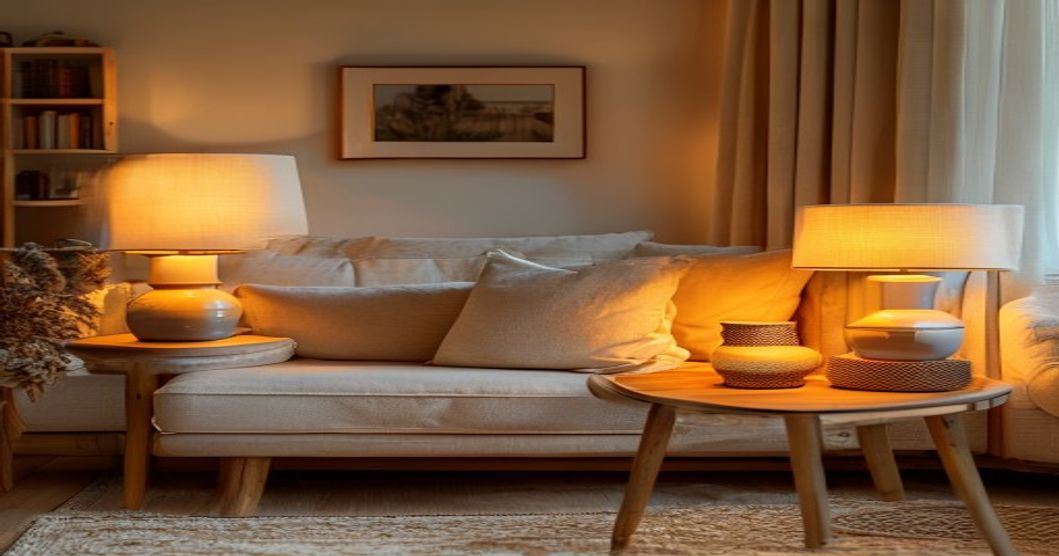
I’ll never forget walking into my friend Sarah’s living room last fall and stepping into what felt like a completely different world. The furniture was identical. The rug hadn’t moved. The walls were the same color. But somehow the whole room had transformed into a place you actually wanted to curl up in with a book for hours. Two warm, glowing table lamps flanked her sofa—and that was it.
For years I’d ignored lighting entirely. It was just supposed to exist so I could see things. That afternoon changed something. I realized: good table lamps don’t just brighten a room. They change how the room feels. They turn a living room from somewhere you pass through into somewhere you want to stay.
Why Table Lamps Are the Easiest Way to Transform Your Living Room
Here’s what nobody tells you about living room ambiance: it’s not about perfection. It’s about making a space feel lived-in and genuinely welcoming—like someone cared enough to think about how the room works when the sun disappears.
Table lamps do this better than almost anything else. Overhead lights are brutal. They cast harsh, flat brightness that makes you squint and want to leave. A table lamp creates warm pools of light. It pulls people into that corner. It says: this is where you want to be right now.
When you pick out table lamps, you’re really choosing the mood of your entire evening. That soft, gentle light from a well-placed lamp changes everything about how comfortable a room feels. It’s not shallow or frivolous. It’s about building an environment that actually invites you to sit down and relax.
Understanding Light Quality and Color Temperature
The number you need to care about is color temperature, measured in Kelvin (K). This tells you if your light will feel warm and honey-colored or cold and sterile.
For a living room, you want 2700K. That’s warm white—the color of a candle or the sky at sunset. Interior designers pick this by default because it makes every room feel safer, cozier, less like a cubicle.
3000K (soft white) also works if you want slightly more brightness without killing the cozy feeling. Anything above 4000K (cool white)? Skip it for ambiance lamps. That belongs in your kitchen or over a desk—places where you actually need to see what you’re doing, not places where you’re trying to unwind.
LED bulbs are the way to go. They’re efficient, they don’t get hot, and they last forever. When you buy a lamp, make sure it says “dimmable-compatible.” This one small feature turns a one-setting lamp into something flexible: bright when people visit, dimmed low when you want quiet.
Size and Height: Why Proportion Actually Matters
The height of your lamp and where you put it have a real relationship. Get it right and nobody will even notice the lamp—they’ll just feel comfortable sitting there. Get it wrong and it either blinds you or becomes pointless.
On an end table next to your sofa? The bottom of the shade should land at or just above your eye level when you’re sitting down. This stops glare from making you stare directly at the bulb, and it lets light spread into the room instead of just blasting straight down onto your lap.
Here’s how to figure it out: measure from the floor to your seated eye level. Subtract your end table height. That’s roughly how tall your lamp should be. But every living room is different. A lamp that’s perfect next to a 24-inch end table might feel all wrong next to yours.
A console table (the kind behind a sofa or under a window) is different. You can use a taller lamp there since you’re not worried about sightlines. A tall, thin lamp on a console actually adds vertical interest and makes small rooms look bigger.
Choosing a Shade That Softens Light Right
This is where most people go wrong. I’ve seen stunning lamp bases paired with thin, harsh shades that look cheap and cast sharp shadows everywhere.
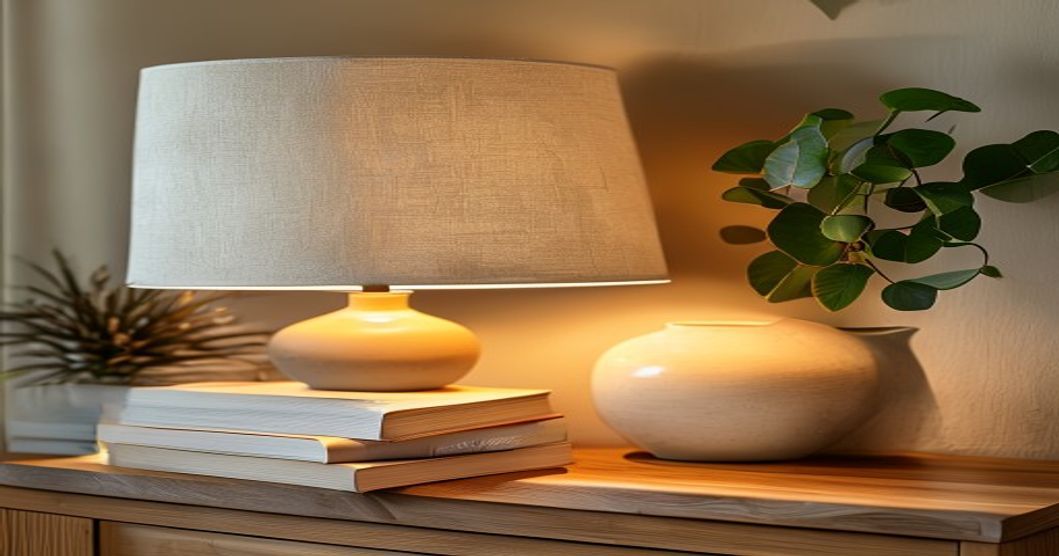
Linen is solid. It’s durable, it looks better as it ages, and light diffuses evenly through it. Cotton works similarly—a little softer, a little more casual. Both let warm light glow through without looking precious. Neither is expensive if you know where to look.
Paper shades sound nice in theory. In reality they yellow, dent if you bump them, and feel flimsy. Silk is beautiful if you find it at a reasonable price, but it shows dust and needs more care than most people want to give a lamp shade.
Stick with cream, soft gray, or white for the shade color—maximum light diffusion, maximum flexibility for future decorating. A neutral shade won’t box you into corners later.
Where to Place Your Table Lamps for Real Impact
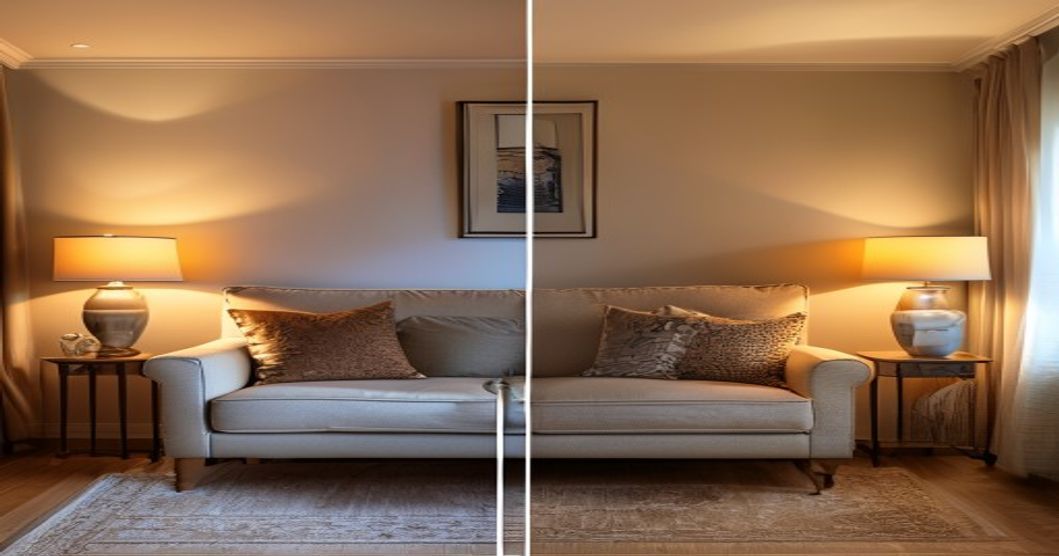
Placement matters almost as much as the lamps themselves. When Sarah explained her setup, she’d put matching lamps on the end tables on either side of her sofa. She positioned them so that when you walked in, the first thing you felt was warmth—not individual light sources.
Two matching lamps on opposite sides of a sofa creates balance and intentionality. You don’t need an expensive matched pair though—two different lamps in the same color family look beautiful together.
One lamp? Put it where you actually sit. On an end table next to a reading chair. On a console behind the sofa where it casts light over your shoulder. On a side table next to your favorite armchair. Your lamp should light up your real life, not just sit there looking decorative.
In a smaller living room, a single tall floor lamp in a corner might work better than multiple table lamps (and if you want more on floor lamps for reading and long-term comfort, that’s worth a look). But if you have any wall space at all, a table lamp creates a cozier, more intentional vibe than a lamp standing alone.
Mixing Style with Function
Personality matters here. Your lamps don’t need to be trendy or expensive—they need to match your actual style and fit your actual life.
Natural materials appeal to you? Wood bases, ceramic, rattan details. You’re a minimalist? Sleek metal and solid-color linen shades. You love eclectic, maximalist spaces? Mix metals, try a patterned shade, play with different heights. The only rule is that your lamp should be something you’re happy to see every day.
Pay attention to the base material. Ceramic and wood hide fingerprints. Brushed metal (not shiny) looks better in real life and feels less trendy. Natural materials like wood, ceramic, and linen have staying power. They won’t feel dated in two years.
Making the Investment
You don’t need to spend a fortune. Well-made table lamps exist at every price point. The gap between cheap and expensive usually comes down to base weight, shade material thickness, and how long the switch actually lasts. A mid-range lamp typically gives you good value.
Buy one really nice lamp instead of three mediocre ones. One lamp you love beats three you tolerate. If you’re buying online, read reviews that specifically mention how the light actually feels in real life and whether the base is sturdy. Photos lie. Real reviews tell you what matters.
If you want to understand how different lighting layers work together, check out our guides on track lighting for retail brightness and recessed lights for low ceilings. Table lamps are their own thing, but knowing how all your lighting works together makes the whole room better.
Who This Matters For (And Who It Doesn’t)
This matters if: You’re in your living room most evenings. You want to feel less on-edge when it gets dark. You hate overhead lights. Your space currently feels cold or uninviting at night. You want to upgrade your living room without gutting it.
This might not matter if: Your living room is a formal room you barely use. You work nights and sleep during the day. You actually prefer bright, clinical lighting. Your living room has no natural light and you’re prioritizing being able to see clearly. You’re renting and can’t make permanent changes.
The Real Takeaway
The best table lamp for your living room is the one that makes you want to sit down and stay. The one that catches your eye at dusk. It’s not about Pinterest boards or having the “right” brand. It’s about picking something warm, sized right for your actual space, and nice enough that you’ll want to keep it for years.
Start with one really good lamp in a place where you actually sit. Watch how it changes how that corner feels. Then add more if you want to, but do it slowly. Building ambiance doesn’t happen overnight, and that’s okay. A single warm lamp, placed with thought, will change how your living room feels every evening.
The best table lamps for living room ambiance aren’t about price or brand. They’re about warm light at 2700K, placed at the right height for where you actually sit, with a shade that softens instead of glares. Linen or cotton shades work well. Pick one excellent lamp on an end table or console next to your favorite seat and let it change your evenings. If something calls to you—a particular style, a material, a finish—trust that instinct. A lamp you genuinely like will transform your space far better than one you bought on sale.
Frequently Asked Questions
See our FAQ section above for answers to the most common questions about table lamp selection, wattage, height, dimmability, and materials.
Disclosure: This post contains affiliate links. As an Amazon Associate I earn from qualifying purchases. I may earn a small commission if you click a link and make a purchase, at no additional cost to you. I only recommend products and approaches I genuinely believe solve real problems.