Smart Bulbs for Bathroom Vanity with Dimming and Color Control Under $25: Transform Your Morning Routine
Disclosure: This post may contain affiliate links. We may earn a commission on qualifying purchases at no extra cost to you.
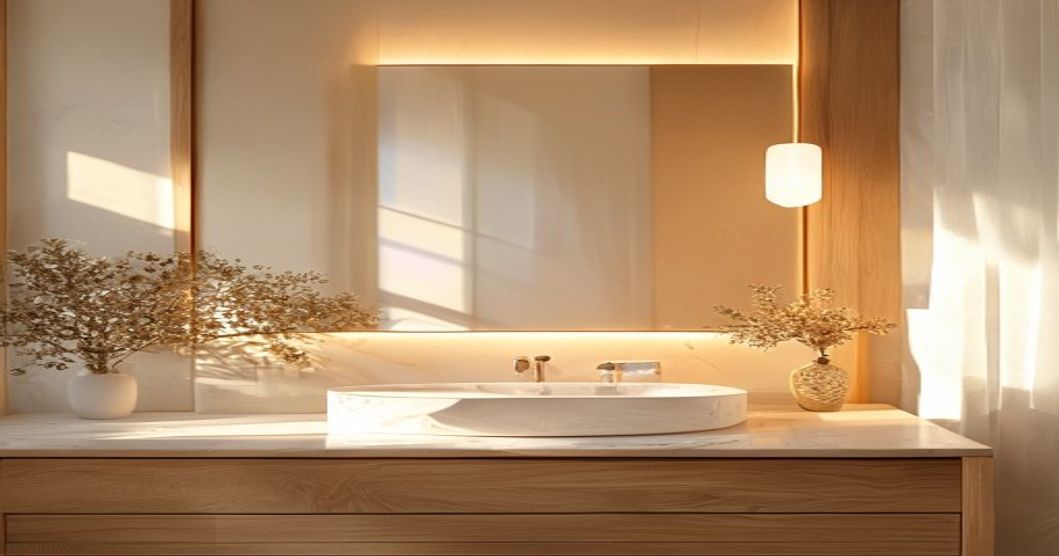
Here’s the honest truth nobody tells you: harsh bathroom lighting ages you five years before you even leave the vanity. I discovered this the hard way when I installed a new vanity mirror and kept the old builder-grade bulbs—those cold, flickering 5000K horror shows that make everyone look exhausted. My reflection looked like I’d been awake for 36 hours straight, and I realized I was dreading my morning routine because the light was so unforgiving.
The Bathroom Lighting Trap Nobody Talks About
Most people think bathroom lighting is just about brightness. Turn it on, light floods the room, done. But that’s exactly backwards. What you actually need is control—the ability to shift your light throughout the day and evening to match what you’re actually doing and how you want to feel.
Traditional vanity setups are one-speed propositions: all the way on or all the way off. That works fine if you enjoy looking like a sickly version of yourself while you brush your teeth, but if you care about that mirror experience—and let’s be honest, you stand in front of it multiple times a day—you deserve better.
I started researching smart bulbs out of frustration, and what I found surprised me. You don’t need expensive, complicated setups. Under $25, you can get bulbs that let you:
- Dim the light smoothly from 100% down to a gentle 10% (perfect for night visits without waking your household)
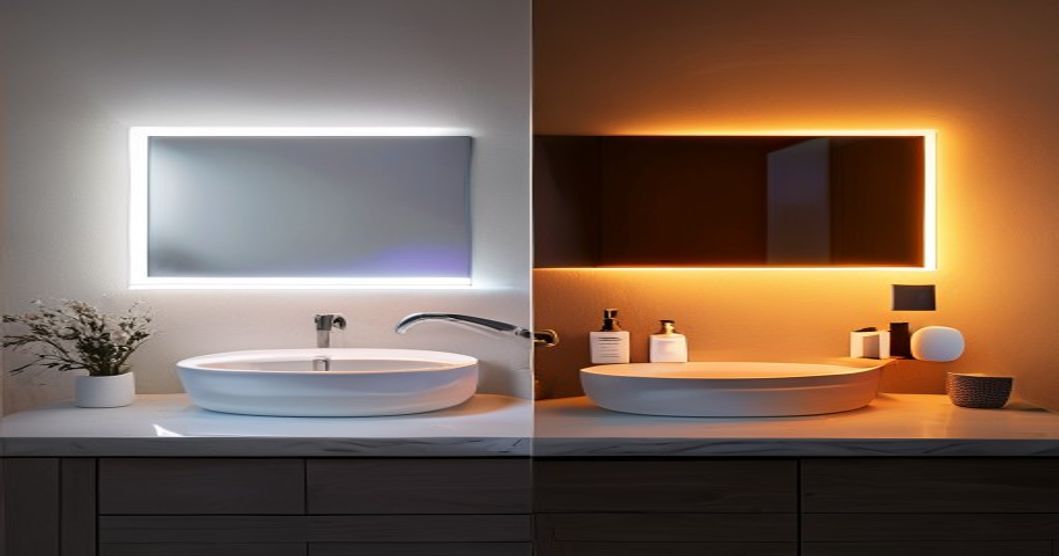
- Shift color temperature from warm, cozy 2700K to clearer 4000K depending on the task
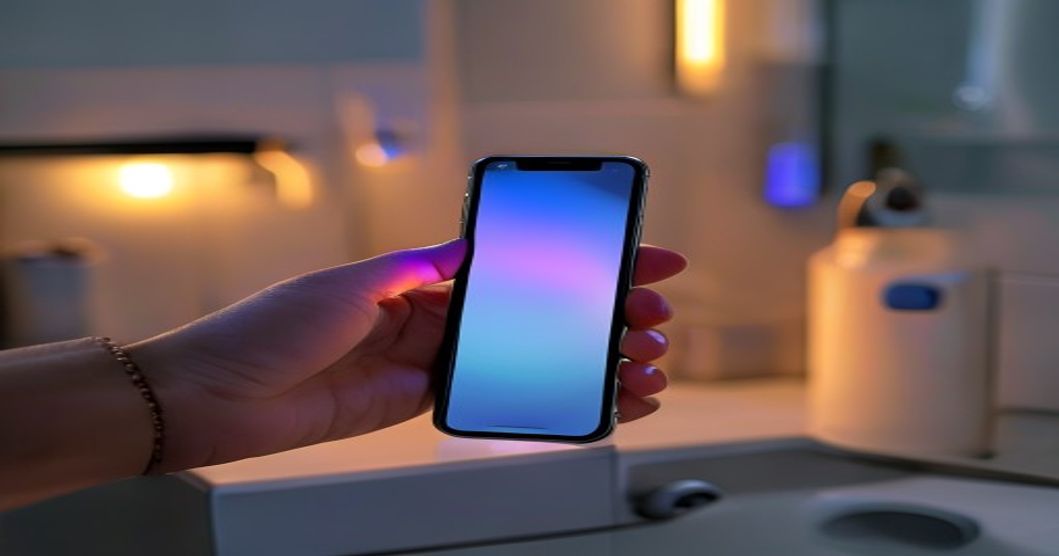
- Control everything from your phone, a voice assistant, or even a simple remote
- Set schedules so your bathroom gradually brightens during morning routines
The key realization: this isn’t luxury or excess. It’s just practical design that respects how humans actually use bathrooms.
Why Vanity Lighting Deserves Special Attention
Your bathroom vanity isn’t like other rooms. You’re standing close to the mirror, often in a vulnerable state—wet hair, no makeup, thinking about the day ahead or the day that just ended. The light here either lifts you up or drags you down. There’s no neutral.
A bright vanity mirror is where most people spend 15-30 minutes daily. That’s potentially 90-180 minutes per week staring directly at reflection lit by your choice of light source. Harsh light makes skin look sallow, shadows under eyes appear deeper, and blemishes seem more pronounced. Warm light is forgiving and flattering without being dishonest—it just works with your face instead of against it.
But here’s what trips people up: vanity lighting needs to work overtime. In the morning, you want that warm, ego-boosting glow. But when you’re shaving, applying makeup, or dealing with a skin issue, you actually need clarity and visibility. A single static light can’t do both jobs well.
Smart bulbs solve this by letting you adjust on the fly. Dim and warm for the confidence boost while you wake up. Brighter and slightly cooler for detailed grooming. Back to cozy for an evening wind-down routine. It’s not overcomplicating things—it’s matching the light to what your brain actually needs in that moment.
What Smart Bulbs Actually Deliver at This Price Point
When you shop for smart bulbs under $25, you’re in a sweet spot. You’re past the point where you’re making compromises just to save money, but you haven’t entered the luxury ecosystem where you’re paying for app interfaces you’ll never use and features that sound impressive but don’t change daily life.
At this price, standard offerings come with:
Dimming range: Most bulbs dial down to 10-20% of full brightness. That 10% threshold matters—anything higher and you still get light that’s bright enough to be useful for late-night bathroom trips without triggering an instant wake-up.
Color temperature adjustment: You’re typically looking at a range from 2700K (warm, incandescent-like) to 4000K or 5000K (cool, daylight-like). That range covers every practical vanity scenario. Some budget models offer fixed warmth (either warm or cool only), but the ones worth considering give you the full spectrum.
Connectivity: Budget smart bulbs use either Wi-Fi or Bluetooth. Wi-Fi models connect directly to your router and work with Amazon Alexa and Google Home, so you can voice-control them. Bluetooth models need a dedicated app on your phone but don’t depend on your Wi-Fi network, which can be handy in older homes with spotty coverage. Both work fine; it’s a preference question.
Lifespan and efficiency: LED technology means you’re looking at 25,000 to 50,000 hours of use—roughly 15-30 years depending on daily usage. That math alone justifies the upfront cost. You’ll replace these bulbs once, maybe twice, in their lifetime versus constantly restocking cheap incandescent bulbs.
Real-World Setup: From Harsh to Humane
Let me walk you through what changed in my own bathroom. I had one overhead fixture with two vanity spots, all using those awful 5000K builder-grade bulbs. Every morning felt like standing in a dentist’s office.
I replaced the two vanity bulbs with smart bulbs offering full dimming and temperature control. Cost was under $50 total. I kept the overhead fixture unchanged because it’s rarely on during vanity routines.
Now my morning routine feels completely different. I wake up, stumble to the bathroom in semi-darkness, and the vanity lights are already set to a warm 2700K at about 40% brightness (thanks to a gentle schedule I programmed). Enough to see what I’m doing without it feeling like an interrogation. As I wake up, I gradually brighten and nudge the temperature toward 3500K over about 10 minutes. It’s subtle, but it works. My brain doesn’t jolt awake; it eases into consciousness while I’m already in the mirror. That matters more than you’d expect.
By the time I’m applying makeup or dealing with any skin concerns, I bump it to 4000K at full brightness. Visibility is clear and honest without looking clinical. The light still feels modern and clean—not stark.
In the evening, everything flips. Back to warm and dim so I’m not blasted by light right before bed. It’s one of those small changes that subtly improves your day without demanding attention.
The Comparison That Matters: Temperature and Dimming in Action
You’ll encounter plenty of smart bulb options under $25, and honestly, most of them are solid. The differences are subtle but real. Here’s what to actually compare:
Dimming smoothness: Cheap bulbs sometimes flicker or jump in brightness increments rather than dimming smoothly. This sounds minor, but a flickering vanity light is genuinely maddening. You want a bulb that dims like a traditional dimmer switch—one continuous, uninterrupted fade from bright to dim.
Color temperature range: Some bulbs offer 2700K to 3000K only (warm options). Others go up to 5000K or 6500K (very cool). For vanity use, 2700K to 4000K covers everything you’d actually want. Anything beyond 5000K is marketing; you don’t need daylight in your bathroom vanity.
App usability: If you’re choosing Wi-Fi models, the companion app matters. Some are intuitive with a simple brightness slider and color wheel. Others are cluttered with options you’ll never use. Spend 30 seconds reading reviews of the app experience, not just the bulb specs.
Voice control: If you use Alexa or Google Home, check that the bulbs you’re considering integrate properly. Most mainstream brands under $25 do, but it’s worth confirming before buying.
What Doesn’t Matter (and Where People Waste Money)
You don’t need RGB color-changing bulbs for vanity lighting. Yes, they look cool in promo photos, and yes, you can turn your bathroom purple or soft pink on a whim. But for a space where you’re primarily checking your reflection and grooming, the novelty wears off fast, and you’re paying extra for something you won’t use. Temperature-only control gets the job done and keeps you under budget.
You also don’t need special “bathroom-rated” smart bulbs. Regular smart bulbs aren’t damaged by bathroom humidity. Yes, they prefer being in dry areas, but sitting in a vanity fixture (which isn’t in the shower) is totally fine. The humidity risk applies to bulbs shoved into steamy enclosed spaces; a vanity socket in a normally aired bathroom is low risk.
And you definitely don’t need a motion sensor for vanity bulbs. That’s overkill and adds cost without benefit. You’re consciously walking to the mirror; you can handle turning the light on manually or via voice command.
Who This Actually Solves Problems For
Smart dimming bulbs with temperature control are for anyone who spends meaningful time at their vanity and cares about how they feel during that time. That includes:
- People with circadian rhythm sensitivity (the warm morning light helps your body adjust gently to wakefulness)
- Anyone doing detailed grooming tasks like makeup application or shaving (variable brightness gives you the right light for the job)
- People with skin sensitivities who need to inspect their skin carefully in honest light
- Households where bathroom visits happen at weird hours and you don’t want to stun everyone with bright light
- Anyone who finds their current bathroom lighting draining and wants to upgrade without a full renovation
This is not for people who want a “set and forget” solution. Smart bulbs require a tiny bit of initial setup and occasional adjustment. If you’re the type who never tweaks settings and just wants consistent brightness, standard LED bulbs are honestly fine and cheaper.
And honestly, if your bathroom vanity lighting already makes you happy and you’re not standing there every day wishing it felt different, this might be a solution seeking a problem. But if you’ve ever looked in the mirror under your current light and thought, “Ugh, I look tired,” there’s a good chance it’s not you—it’s the light.
Making the Practical Leap
The barrier to trying this isn’t money or complexity—it’s uncertainty. You’re used to bulbs being simple. This feels like it should be complicated.
It’s really not. Unscrew old bulb. Screw in new bulb. Download app (or ask Alexa). Adjust brightness and temperature for 30 seconds while you figure out what settings feel good. Done.
Most of the anxiety is front-loaded. You’ll spend 10 minutes total actually setting things up, then another week using the app while you dial in your preferences. After that, you’re probably on schedule mode where the lights adjust automatically, and you’re mostly just using voice commands or the app when you feel like changing the vibe.
Here’s something practical: start with just your vanity bulbs. Don’t overhaul your whole bathroom right now. Changing two or four bulbs is low-commitment enough to figure out whether you actually like this without investing in a whole ecosystem.
Also worth considering: if you already have smart speakers (Alexa or Google Home), the entry cost for compatible smart bulbs drops to roughly $15-20 per bulb. That’s the sweet spot where it starts feeling like an obvious upgrade rather than a luxury.
Check current pricing and compatibility with your specific smart home setup before buying. Prices shift, and new models drop regularly. What matters is finding something in your budget that offers smooth dimming, temperature adjustment between warm and cool, and honest reviews about reliability.
The Underrated Benefit: Time of Day Automation
One feature I didn’t appreciate until I started using it: schedules. You can program your vanity lights to gradually brighten 15 minutes before your usual wake-up time, starting dim and warm, then shifting to brighter and slightly cooler as time passes. Your body naturally eases toward wakefulness with the light.
It sounds trivial. It’s not. The difference between jolting awake to harsh light and gently surfacing into a warm, gradually brightening bathroom is significant for your whole morning mood.
Similarly, evening schedules can slowly dim as the sun sets, helping your body understand that sleep is coming. This is especially useful if your bathroom light was part of what kept you artificially alert late in the day.
These schedules live in your app and run automatically. Set it once, and you’re done. Most people never adjust them.
One Last Honest Thing
This entire push toward smart home solutions can feel like buying into marketing nonsense. “Oh, I need my *lights* to be smart.” It sounds absurd out loud.
But here’s why it’s actually not: vanity lighting is something you interact with multiple times daily in a space where you’re vulnerable and tired and wanting to feel okay about yourself. That’s where control matters. Small improvements compound. A bathroom that feels good instead of oppressive is a small part of a day that feels good instead of slightly off.
You’re not buying smart bulbs because they’re trendy. You’re buying them because they solve a real problem—giving you the flexibility to adjust your light to match your actual needs and mood, not forcing you to accept whatever some builder decided was appropriate 10 years ago.
The price being under $25 just means you’re not taking a huge financial risk on an experiment. Try it, hate it, swap back to regular bulbs. But I’d bet most people who take 15 minutes to set up dimmable, color-adjustable vanity lighting never look back.
Smart bulbs with dimming and color temperature control are one of the cheapest bathroom upgrades you can make with genuinely noticeable daily impact. For under $25, you can replace harsh, one-speed vanity lighting with bulbs that adapt to your mood and needs throughout the day. Start with your vanity fixture, set up a comfortable warm-and-dim morning routine and a brighter, slightly cooler mid-day setting, then tweak from there. The time investment is minimal; the feeling of control over your bathroom experience is immediately satisfying.
Look for bulbs offering smooth dimming down to at least 10%, color temperature adjustment from warm (2700K) to slightly cool (4000K), and compatibility with your existing smart home system or a simple dedicated app. Once you’ve made this change, you’ll wonder why every bathroom vanity doesn’t work this way.
Related Reading
Looking to improve other areas of your home lighting? You might also explore the best ceiling fans with integrated lighting for bedroom to create cohesive ambient control throughout your home, or read about the best outdoor string lights for patio ambiance if you’re thinking about extending cozy lighting to exterior spaces. And if you’re focusing on accent lighting elsewhere in your home, the best wall sconces for bedroom accent lighting offers practical guidance on creating warm, focused light in other rooms.
Affiliate Disclosure
This article contains affiliate links. As an Amazon Associate I earn from qualifying purchases. When you click links to products and make a purchase, I may earn a small commission at no additional cost to you. This helps support the work of creating guides like this one. I only recommend products and solutions I believe offer genuine value, and the opinions expressed are my own.